Most executive boards continue to treat the situation in the Strait of Hormuz as temporary noise, assuming that geopolitical tensions always find a quick resolution before breaking the global economy. That is a fundamental miscalculation. The global industry is facing the largest supply disruption in the history of energy markets, and current complacency could prove extraordinarily costly for operating margins and the viability of supply chains.
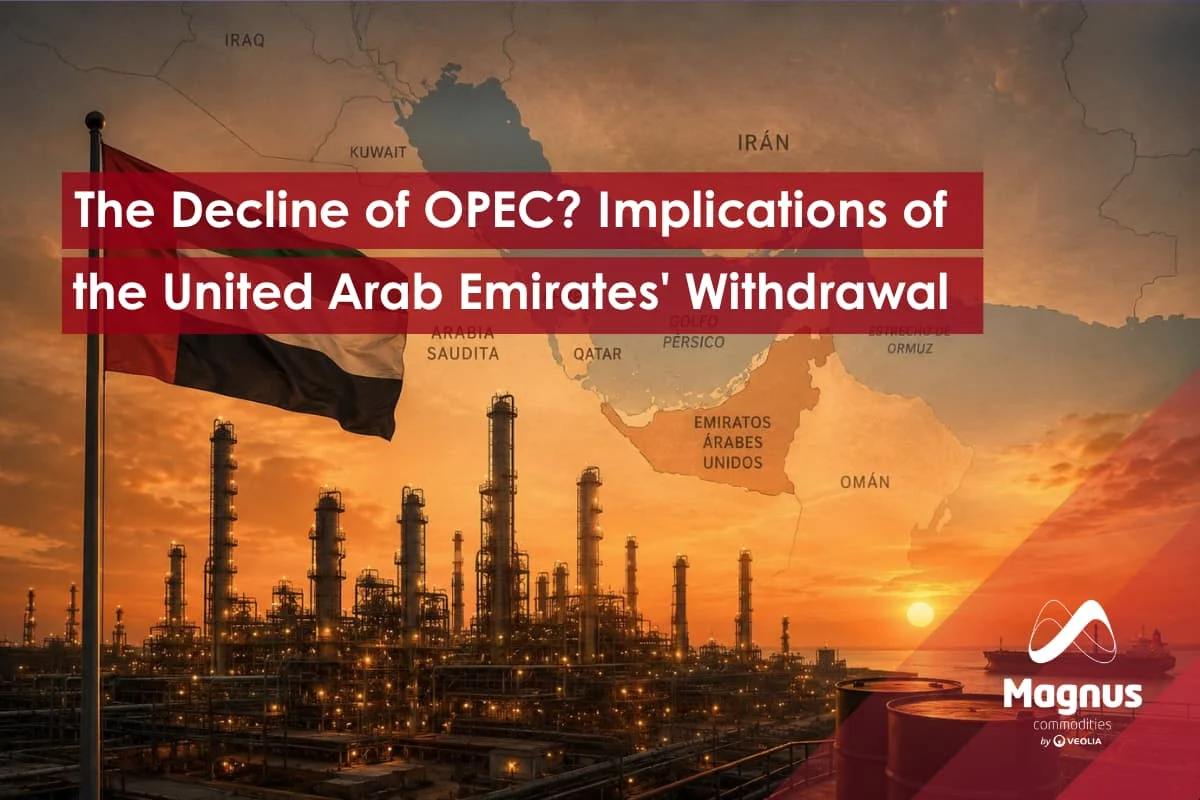
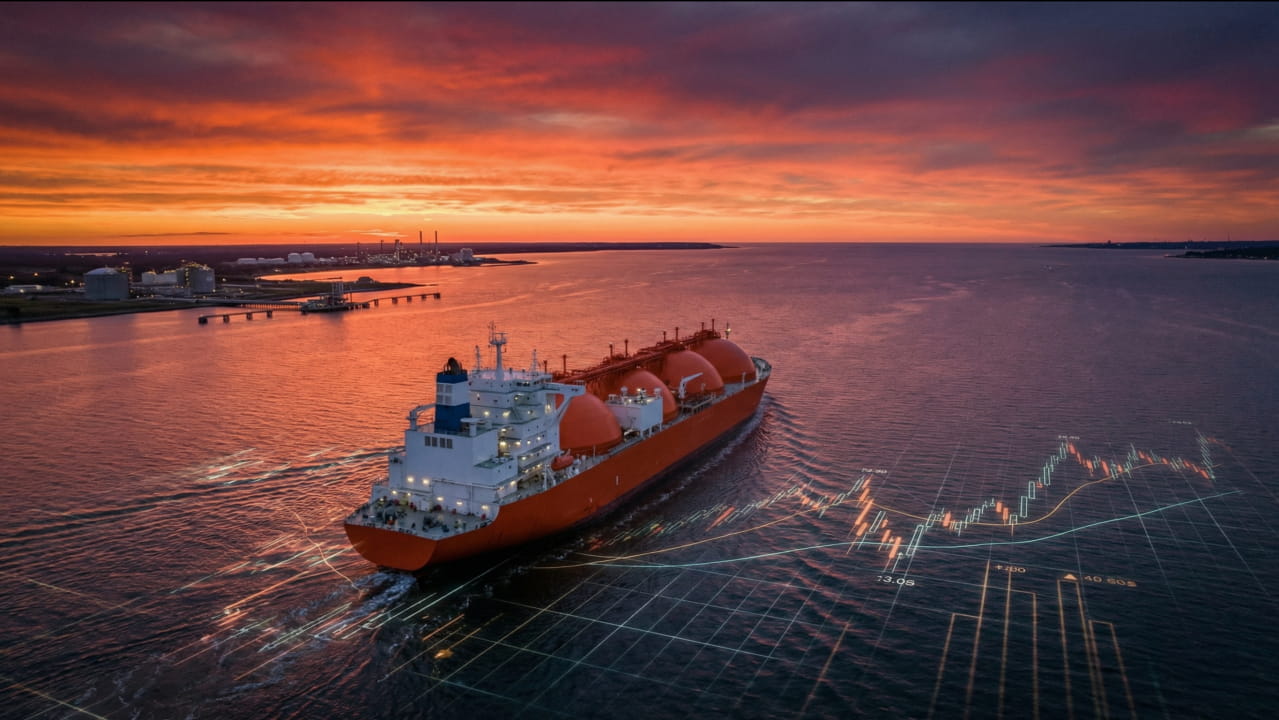
To understand the magnitude of the problem, it is necessary to look at the math that the corporate consensus has not yet fully digested. Before the disruption, between 18 and 20 million barrels per day flowed through the Strait of Hormuz, representing 20% of the global oil supply and up to a quarter of global liquefied natural gas (LNG). Rerouting capacity is structurally insufficient. Saudi Arabia’s East-West Pipeline operates at its maximum of 7 million barrels per day, while the UAE’s ADCOP pipeline contributes barely 1.5 million. Even adding an optimistic response from non-OPEC producers, limited by the capital discipline of US shale, we face an inescapable reality: a structural gap of nearly 10 million barrels per day remains. Almost 10% of global daily consumption has disappeared without a short-term solution.
If the full impact on the supply chain has not yet paralyzed the economy, it is due to a combination of buffers that are, by definition, temporary. Tankers already in transit continued to deliver their cargoes, while strategic reserves were released at a record pace. In April alone, 200 million barrels of global inventories were consumed, the largest monthly drain on record. Concurrently, a silent rationing occurred: Asian petrochemicals reduced operations, and thousands of flights were canceled in the Middle East, Europe, and parts of Asia. But those buffers are running out. Goldman Sachs warns that global inventories have fallen to eight-year lows, and firms like Bernstein estimate that the world has approximately one month of flexibility remaining before demand must forcibly drop to match supply.
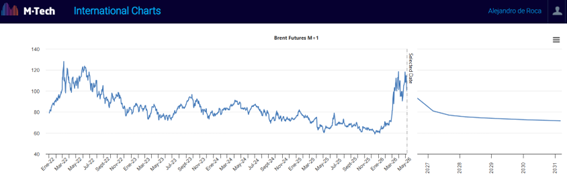
Brent crude has already moved from $60 to over $120 per barrel. However, if the disruption extends, we will not be talking about a simple repricing of inputs, but a physical supply shock without modern precedent. The old consensus established a ceiling of $150 based on the 2008 peak, but adjusted for inflation, that level is equivalent to about $200 today. Furthermore, the 2008 episode was a demand-driven shock with an intact supply chain, whereas today we face a physical infrastructure rupture. In a true physical shortage, brokerage houses like Gunvor are already stress-testing their projections against scenarios of $200 to $300 per barrel, treating it not as a base case, but as a tail risk that procurement departments can no longer ignore. S&P Global projects that Brent could average $200 for several months in an escalation scenario, a level that, according to Moody’s Analytics, would far exceed the $125 threshold needed to trigger a global recession.
The impact of this shock does not stop at the gas pump but cascades throughout the global industry. In Asia, the plastics crisis is the first severe symptom. The region imports 70% of its naphtha from the Middle East, and with supply blocked, polymer prices have skyrocketed. Virgin plastic went from $950 a ton to over $1,800, affecting everything from food packaging to medical supplies. In South Korea, health regulators launched a national investigation into syringe hoarding, while in Taiwan, plastic product prices have risen by up to 40%. The plastics shortage is rapidly becoming a public health and food security risk in countries like India, Indonesia, and the Philippines. Simultaneously, aviation and logistics suffer the direct impact of jet fuel and diesel shortages, the tightest products in the market. In Europe, this has already led to the cancellation of tens of thousands of flights, with airlines like Lufthansa warning that the crisis will add billions in operating costs. Expensive diesel increases freight transport costs, fueling inflation across the industrial supply chain.
This scenario sets up the classic stagflationary shock, where inflation rises while growth slows, raising the cost of capital. Central banks face an impossible dilemma between raising rates to curb inflation or lowering them to support growth. The Federal Reserve maintains its rates at restrictive levels, while the European Central Bank considers reversing its cycle of cuts, ensuring that corporate financing will remain expensive.
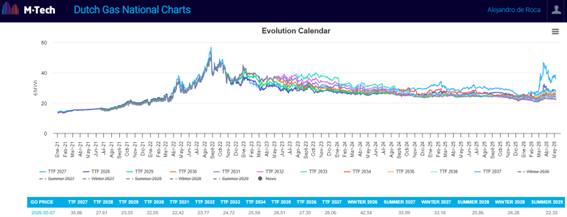
In the European context, the closure of the Strait of Hormuz has triggered the second major energy crisis of the decade. Although the continent’s direct dependence on Middle Eastern crude is lower than Asia’s, the interconnectedness of global liquefied natural gas markets and the pricing structure of the European electricity market have caused a profound impact across the entire energy value chain. Europe imports approximately 13% of its LNG through Hormuz, primarily from the Ras Laffan complex in Qatar. However, natural gas is a globalized market; the disruption of supply to Asia forces Asian buyers to compete aggressively for Atlantic and US cargoes, raising prices for all importers. European natural gas futures on the Dutch Title Transfer Facility (TTF) have experienced a significant rally, rising approximately 40% since the start of the conflict to stabilize around 46-49 euros per megawatt-hour. The Agency for the Cooperation of Energy Regulators warns that if disruptions in Qatar continue until the end of 2026, the global LNG market could face a deficit of 26 billion cubic meters. This indicates that imports will reach Europe at a structurally higher cost, forcing operators to reevaluate their storage strategies ahead of the coming winter.
The European electricity market, which operates under a marginal pricing system, suffers the direct consequences of this price increase. Given that combined cycle gas plants frequently set the price for all generation, the high cost of fuel is passed on to wholesale electricity prices during times of lower renewable generation. Paradoxically, despite the rising cost of gas, Europe is experiencing a phenomenon of extreme bidirectional volatility.
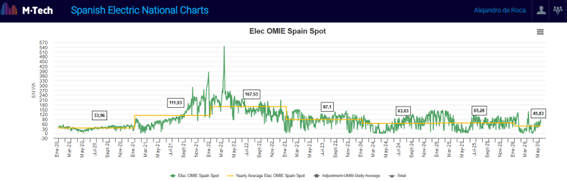
In April 2026, wholesale markets recorded record negative prices due to an excess of solar generation combined with moderate demand. On April 26, the hourly price in Germany fell to -413.7 euros per megawatt-hour, with similar drops in France, Hungary, and the Czech Republic. This situation illustrates a structural vulnerability: the rapid expansion of solar capacity has not been accompanied by proportional development in storage and grid flexibility. As a result, Europe suffers extremely high prices when the sun sets, due to reliance on expensive gas, and deeply negative prices during midday due to excess inflexible generation. In the medium term, it is estimated that this second energy shock will accelerate the transition towards electrification, with European electricity demand projected to grow between 2% and 4% annually towards the end of the decade, driven by the need for energy security.
The crisis has forced the European Commission to balance its ambitious climate goals with the urgency of ensuring supply security and protecting industrial competitiveness. In a move that highlights the temporary primacy of energy security, the Commission is considering suspending fines on oil and gas producers for non-compliance with the new methane emissions regulation. The regulation requires that from 2027, imported gas must comply with strict monitoring rules, but given the current shortage, a leaked draft suggests that financial penalties should not jeopardize gas supply or worsen storage crises. This concession responds to pressure from the industry and international partners, who warned that strict enforcement could divert vital LNG cargoes to less regulated Asian markets. To mitigate the economic impact, the Commission has proposed the AccelerateEU plan, a catalog of emergency measures aimed at protecting consumers from price shocks and accelerating the deployment of domestic clean energy, avoiding forced consumption restrictions.
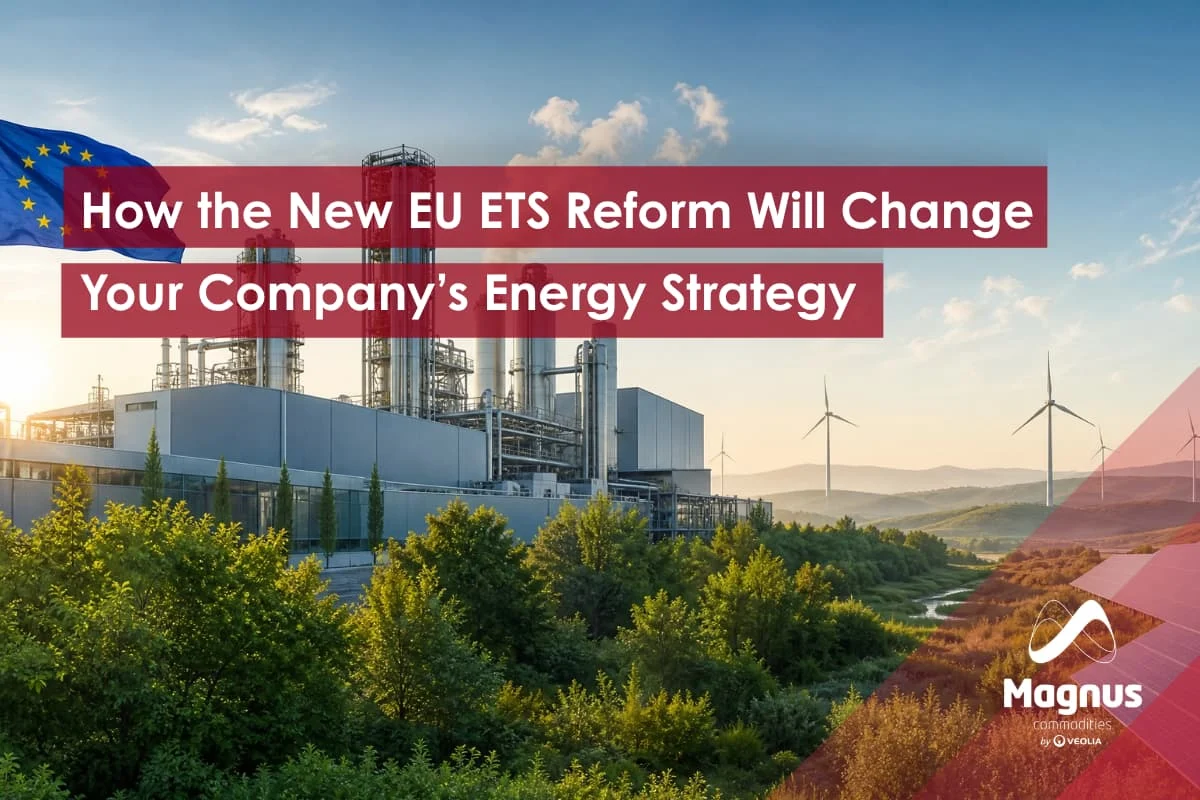
Meanwhile, in the EU Emissions Trading System, the carbon price has remained relatively stable, averaging about 80 euros per ton for 2026, as industrial demand destruction and the continued deployment of renewables limit the rebound in total power sector emissions.
Against this backdrop, corporate operational and procurement strategies must adapt rapidly. The market loathes pricing in political risk until it directly impacts the bottom line, and it is historically in these moments that prepared companies gain market share. Traditional hedging strategies based on historical averages are no longer sufficient; it is imperative to evaluate hedges against extreme spikes to protect operating margins in a scenario of crude oil over $150. Supply chain resilience must be reevaluated, accelerating diversification strategies to mitigate dependence on Asian petrochemical inputs or vulnerable logistics routes. Likewise, the “just-in-time” inventory model is revealed to be highly vulnerable, pushing leading companies towards a “just-in-case” model for critical petroleum-derived inputs, assuming a higher working capital cost in exchange for operational security. Finally, in an environment of persistent energy-driven inflation, the ability to pass cost increases on to the end customer without destroying demand will be the primary differentiator of profitability.
The question is not whether $250 oil will happen with certainty, but whether the industry’s cost structure and supply chain are prepared if it does. As Tina Fordham, founder of Fordham Global Foresight, points out, by the time geopolitical risks land and impact financial markets, it is usually too late to mitigate them.
If you found it interesting, please share it!
Recent Articles