Gas as Hard Power: The End of Energy Innocence
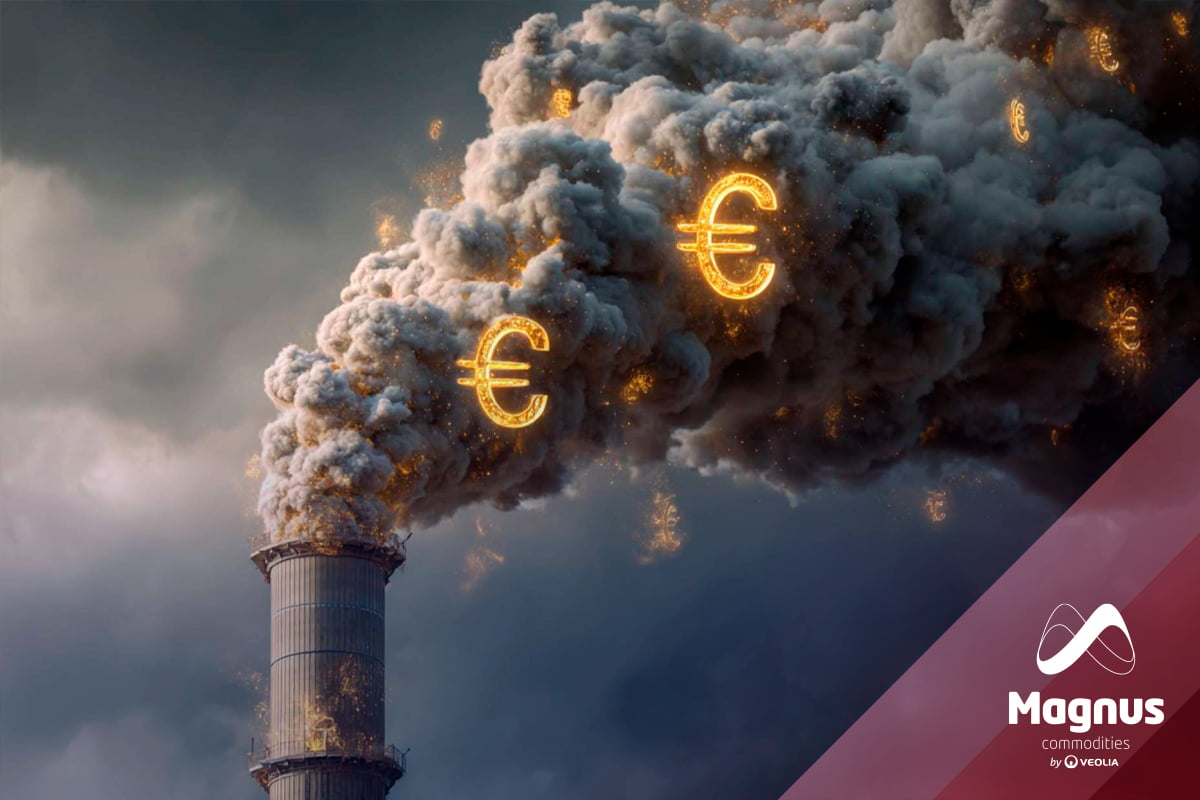
During the last decade, the official discourse in Brussels portrayed natural gas as a secondary player, a mere “bridge fuel” towards renewables. However, the geopolitical reality of the past three years has shattered that narrative. Today, gas is not a bridge; it is the backbone of national security and the most decisive instrument of “hard power” in the 21st century.
The global market, which moves more than 4,000 bcm annually, has ceased to follow the laws of supply and demand to be governed by the laws of war. We are facing a radical metamorphosis: the transition from a “fixed geography” (pipelines) to a “liquid geography” (LNG). This transformation is not only technical; it is the response to a world where traditional routes are battlefields. Understanding this map is vital for a Europe that is still seeking its place in this new order.
The Nord Stream Earthquake: When Pipelines Became Scars
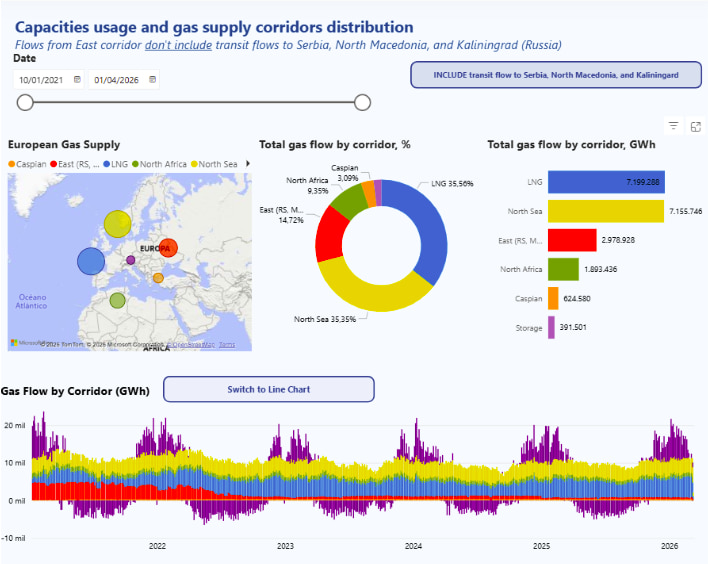
To understand the current urgency, we must analyze the February 2022 earthquake. Russia was not just a supplier; it was the foundation of the European industrial system, supplying 40% of the EU’s gas (155 bcm). Moscow used this interdependence as a political tourniquet, convinced that Europe would not survive a disconnection.
The destruction of Nord Stream was the death certificate of 20th-century energy security. This void forced Europe into a traumatic reconfiguration. The gas that once flowed from east to west must now be sought in the most volatile corners of the planet. It is the “original sin” that pushed European countries to fiercely compete in the spot market, linking the price of heating in Berlin with conflicts in the Middle East.
The Powder Keg of the Levant: Why Gaza and the Mediterranean Cannot Be the Plan B
Here the correlation between conflict and energy is stark. Upon losing Russian gas, Europe looked to the Eastern Mediterranean, hoping that its fields would be the salvation. But gas does not flow in active war zones.
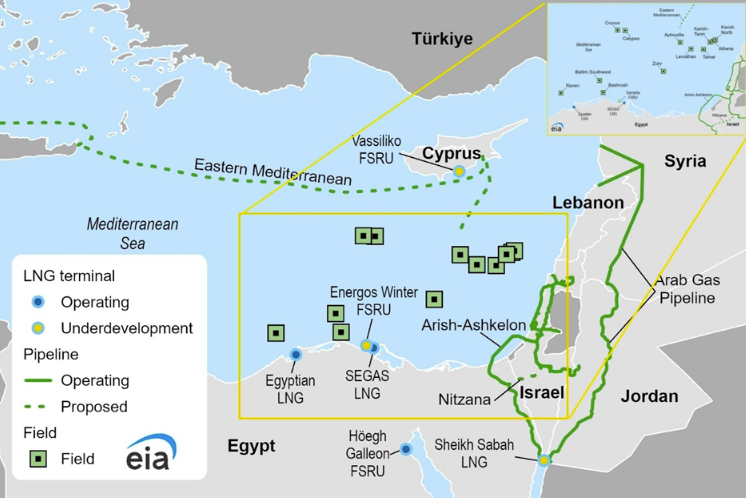
The Gaza and Israel Factor: The Leviathan (22 TCF) and Tamar fields are masterpieces. The EastMed pipeline project (1,900 km towards Greece and Italy) was the great hope. But the war in Gaza has changed the risk psychology. A platform a few kilometers from combat is a vulnerable military target. The instability has frozen investments, reminding that gas “close to home” is not always the safest.
The Turkish Clamp: Turkey uses this chaos to reaffirm its claims over the Exclusive Economic Zones of Cyprus and Greece. Ankara blocks the explorations, turning energy into a hostage. The result is paradoxical: there is gas, but geopolitics prevents its extraction.
The Dictatorship of Ships: LNG and the Trap of New Dependency
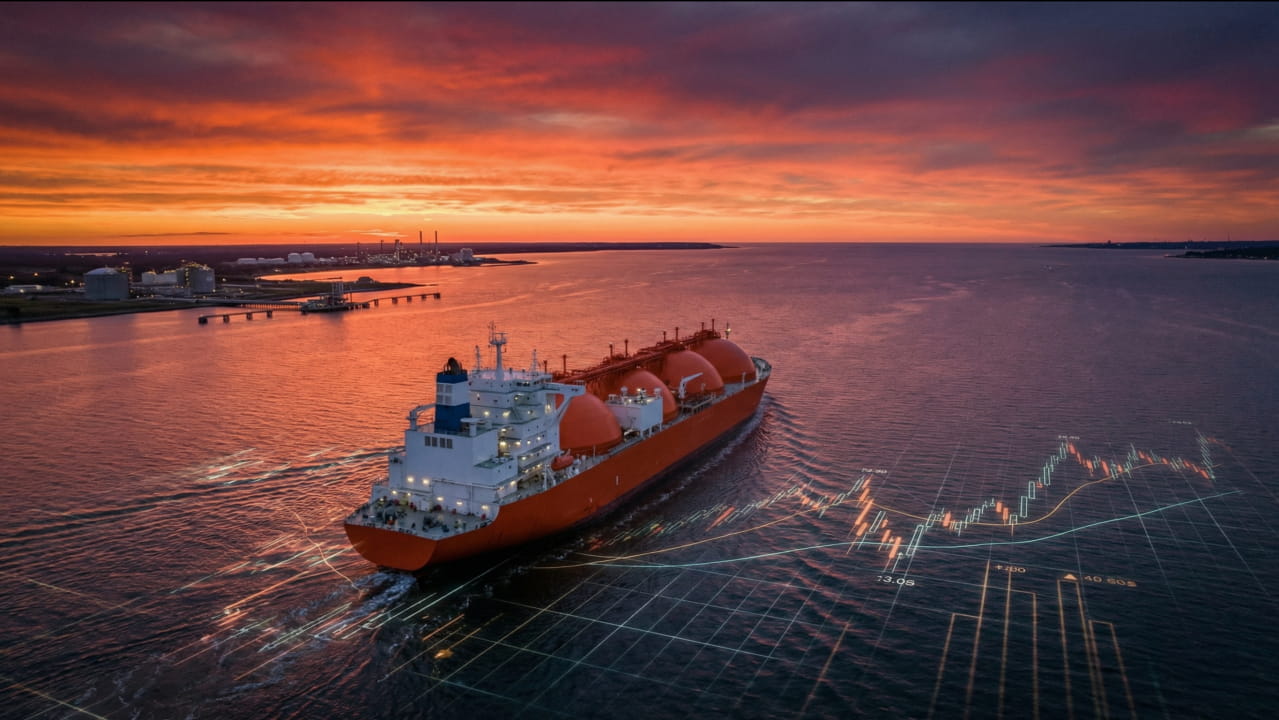
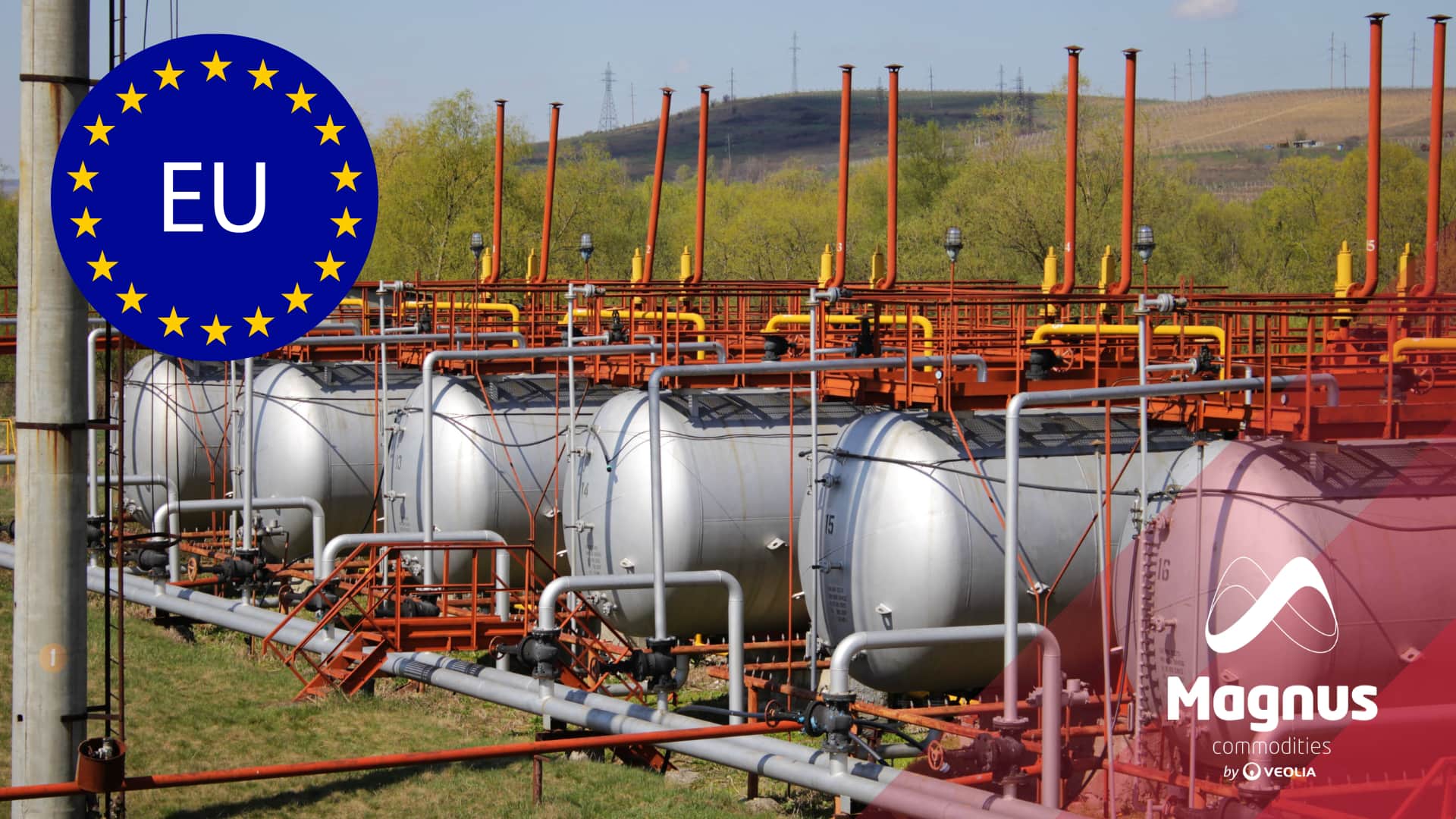
Given the vulnerability of pipelines, the world has turned to Liquefied Natural Gas (LNG). It is the “maritimization” of gas: if a port goes to war, the methane carrier changes course. But this freedom is a mirage that hides a new and dangerous dependency.
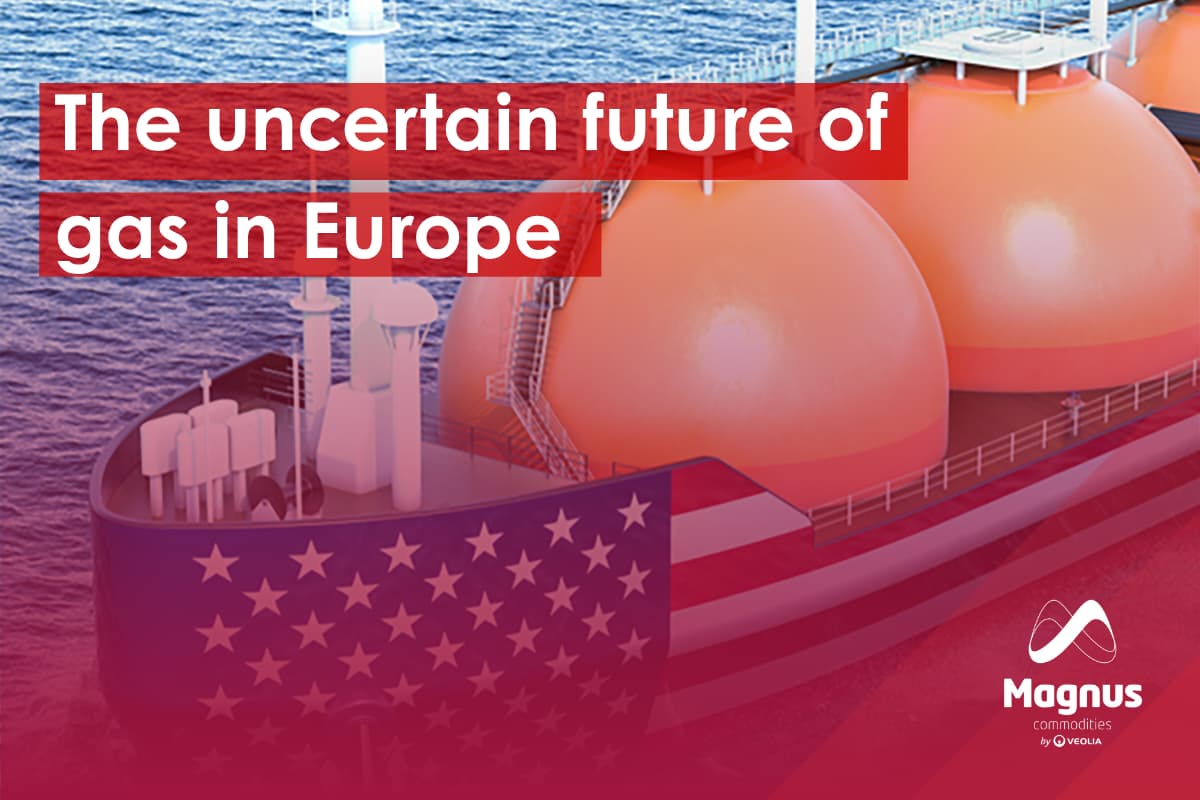
United States: The Transactional Partner. After the shale gas revolution, the U.S. is the world’s largest exporter. But relying on Washington is not a guarantee of stability; it means submitting to the swings of its domestic policy. Under an “America First” vision (Trump), gas ceases to be an allied resource and becomes a bargaining chip. If Europe does not yield on tariffs or military spending, the LNG flow may be conditioned by electoral interests in Pennsylvania or Texas. We have traded Putin’s noose for the transactional whim of the White House.
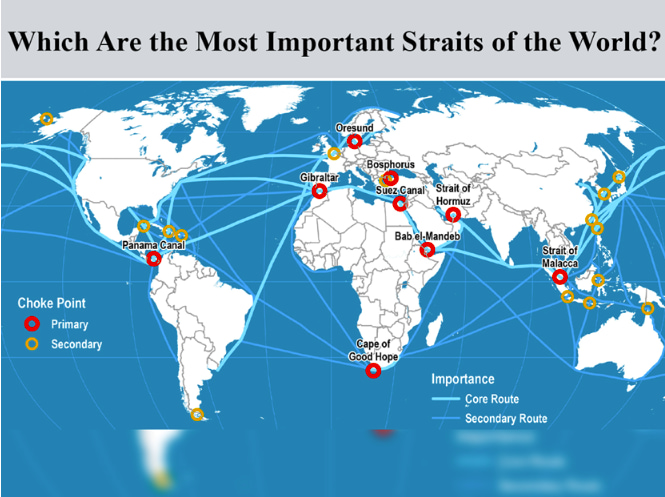
Qatar and the Strait of Hormuz: Qatar is the other pillar (targeting 126 million tons annually). But its “Achilles’ heel” is geographic: it must pass through the Strait of Hormuz. If the Iran-Israel tension escalates and closes that bottleneck, 20% of the world’s LNG trade disappears. The flexibility of the ship ends where the naval blockade begins.
The Strait Dilemma: The Fragility of Trade in Hostile Waters
If the gas no longer comes by land, the sea is the jugular of the system. Attacks in the Red Sea force ships to go around Africa, increasing costs and times. LNG gives us theoretical freedom, but it makes us slaves to security at critical points like Suez, Hormuz, or Malacca. Energy logistics is now a branch of naval strategy.
Spain: The Inevitable Hub in a Fragmented Europe
In this scenario, Spain has gone from an “energy island” to a free port of European security. With six regasification plants (accounting for one third of the EU’s capacity), Spain has infrastructure that countries like Germany and other parts of Northern Europe currently lack. Spain is the continent’s lifeline, but the lack of strong interconnections (the failed MidCat) remains the major bottleneck. The geopolitics here are internal: Europe’s inability to connect its networks limits the stability of the entire bloc.
The Dragon Factor and the Russian Pivot: The War for the Shipments
As Europe seeks autonomy, the axis of the world is shifting. China and India are undergoing massive expansion. Beijing is taking advantage of Moscow’s weakness to buy the gas that Europe rejects at bargain prices through the Power of Siberia. This is the trap: Europe competes directly with Asia for every available LNG ship. Any demand spike in Asia automatically raises the price for our industries.
The 21st Century Trilemma: Sovereignty, Security, and Survival
This analysis leads us to an inevitable conclusion: energy policies have shifted from the Ministries of Energy to those of Defense and Foreign Affairs. Security is no longer measured in euros, but in resilience.
Relying on a single supplier or route is an unacceptable risk. The transition to renewables and hydrogen is not just a climate goal; it is the way to disarm energy as a tool of blackmail. Gas will be the necessary backup for decades, but its management must be diversified and deeply strategic to avoid being held hostage by Washington’s shifts, the conflicts in Gaza, or Moscow’s ambitions.
The New World Order of Molecules
We are witnessing a change of era. The geopolitics of gas is no longer written in the markets, but on the battlefronts and in the maritime straits. The rise of LNG has given nations a costly and volatile freedom.
For Europe, the challenge is to lead a system immune to external pressures. Energy is the pulse of global power, and only those who understand the connection between a molecule of gas and a border conflict will secure their future in the 21st century.
If you found it interesting, please share it!
Recent Articles